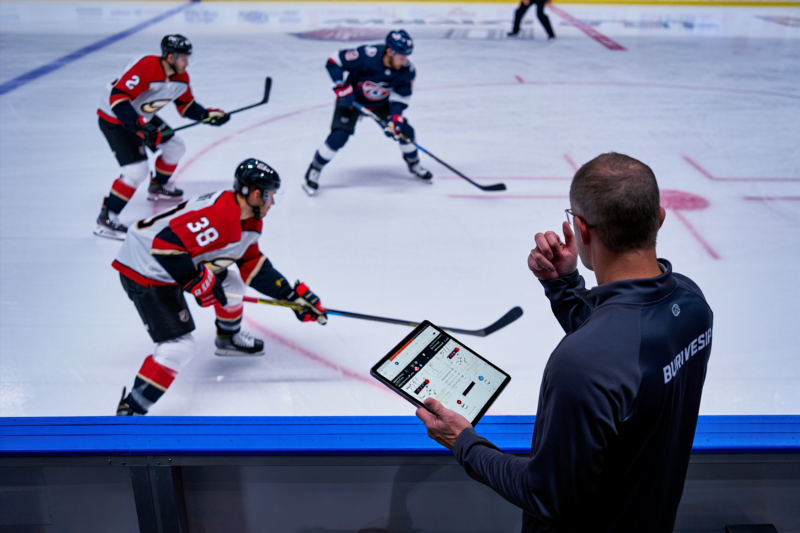
Understanding the Impact of Back-to-Back Games and Travel in Hockey
In the fast-paced world of hockey, every detail counts—especially scheduling. At IceCreek Hockey, we analyze how tactical elements like back-to-back games and travel logistics influence team performance, standings, and overall success. Recognizing these scheduling edges is crucial for teams seeking competitive advantages and for fans eager to understand the nuances behind game results.
The Physics of Back-to-Back Games
Player Fatigue and Performance Deterioration
Back-to-back games—consecutive matches without a day’s rest—can significantly impact athlete stamina. Fatigue reduces reaction times, impairs decision-making, and increases injury risk. Teams facing such schedules often see a measurable decline in performance metrics like shot accuracy, puck possession, and defensive stability.
Tactical Adjustments and Lineup Management
Coaches must adapt strategies to mitigate fatigue effects. This includes:
- Rotating lineups to keep players fresh
- Adjusting game pace to conserve energy
- Prioritizing special teams performance during demanding stretches
An effective management approach minimizes performance dips and maintains competitive edge.
Travel Dynamics and Their Effects on Play
The Toll of Long-Distance Travel
Travel isn’t just about moving from point A to B—it’s a physical and mental challenge. Factors include:
- Jet lag disrupting circadian rhythms
- Time zone changes impairing alertness and coordination
- Fatigue from extended travel times
Recent analytics show teams often underperform in matches following long or multi-leg journeys, especially when crossing multiple time zones.
Strategic Scheduling to Minimize Travel Stress
Leagues and teams that plan routes smartly can:
- Reduce consecutive long-distance trips
- Schedule rest days post-travel
- Align travel schedules with optimal recovery windows
Such strategies preserve player energy, enhance focus, and improve game outcomes.
How Scheduling Edges Influence Standings and Progress
Statistical Evidence of Schedule Impact
Research indicates that teams facing a higher number of back-to-backs or grueling travel schedules tend to:
| Parameter | Effect Observed |
| Fewer wins | Increased fatigue effects |
| Lower point accumulation | Disrupted routines |
| Higher injury rates | Overexertion risks |
| Reduced playoff odds | Accumulated disadvantages |
Understanding these correlations helps teams leverage scheduling as a strategic tool rather than a mere logistical concern.
The Psychology of Rest and Preparation
Beyond physical factors, mental readiness plays a pivotal role. Consistent rest and minimized travel stress foster confidence and focus, directly translating into better on-ice decision-making and teamwork.
Optimizing Scheduling for Competitive Advantage
Tactical Recommendations for Teams
- Prioritize rest periods after demanding stretches
- Schedule challenging opponents with adequate recovery time
- Use analytics to predict fatigue patterns and plan accordingly
- Streamline travel routes to reduce unnecessary fatigue
For League Organizers and Staff
- Implement scheduling algorithms that balance game load and travel
- Consider geographic clustering of game dates
- Incorporate buffer days to aid team recovery
Common Questions About Scheduling and Results
How do back-to-back games specifically affect star players?
Star players are often the most physically taxed, and consecutive games can reduce their effectiveness. Strategic rest and careful line management are essential to keep these key athletes performing at their highest levels.
Can scheduling influence playoff outcomes?
Absolutely. Teams with more favorable schedules, fewer back-to-backs, and minimized travel tend to maintain higher energy levels, improving their chances for a strong playoff push.
What tools are available to teams to analyze scheduling impacts?
Modern sports analytics platforms provide insights through:
- Performance analytics tracking fatigue metrics
- Travel impact assessments
- Predictive modeling for scheduling optimization
In hockey, understanding the intricacies of back-to-back games and travel logistics isn’t just about logistics—it’s a strategic imperative. By carefully managing these factors, teams can gain significant advantages, pushing their standings forward and maintaining peak performance.
At IceCreek Hockey, we delve deep into these tactical elements, providing insights that help teams, coaches, and fans grasp how scheduling influences game outcomes and overall league dynamics. Mastering scheduling edges is a crucial step in the evolution of modern hockey strategy.
Ready to harness the power of smart scheduling? Stay tuned to IceCreek Hockey for cutting-edge analysis, tactical breakdowns, and actionable insights that elevate your understanding of the game.