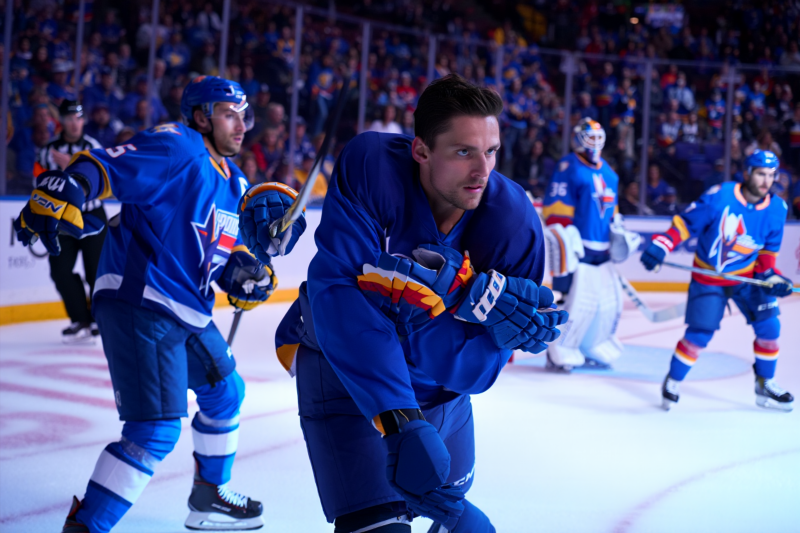
Unlocking True Team Synergy Through Strategic Role Distribution
In the high-stakes world of hockey—whether at the NHL, KHL, or international levels—success is rarely driven solely by star players. While extraordinary talent garners attention, it is the meticulous balance of roles within the Top Six that truly determines sustained victory. IceCreek Hockey, your modern platform for hockey analytics and tactical insights, emphasizes the crucial importance of optimizing these key roles beyond just star names to build resilient, formidable teams.
Why Role Balance Matters in a Top Six Lineup
The Top Six, typically comprising six forward positions, serves as the offensive engine of a hockey team. Relying heavily on star players can be tempting, but a well-balanced Top Six maximizes versatility, ongoing performance, and adaptability. Here’s why balancing roles is essential:
- Enhanced Team Chemistry: Diverse skill sets foster smoother passing, better positioning, and cohesive offensive strategies.
- Sustainable Scoring: Avoid over-reliance on individual stars, reducing defensive focus on one player and opening opportunities for others.
- Strategic Flexibility: A balanced Top Six allows coaches to adapt tactics according to game flow, opponent weaknesses, and injury issues.
Key Roles Within the Top Six
To achieve effective role balance, teams must understand and develop these essential functions:
| Role | Primary Focus | Key Attributes |
| Playmaker (Setup Genius) | Creates scoring chances through vision and passing | Creativity, hockey IQ, composure |
| Sniper (Goal Finisher) | Finishes plays with accuracy and power | Sharp shooting, quick release, composure |
| Two-Way Forward | Contributes offensively and defensively | Defensive awareness, physicality, versatility |
| Energy/Grinder | Provides physical presence and momentum shifts | Endurance, hitting, forechecking |
| Power Forward | Combines size and skill to dominate puck battles | Strength, aggression, goal-scoring ability |
| Smart Support Player | Executes tactical plays, slips into open spaces, and supports
| Smart positioning, timing, hockey sense |
Practical Strategies to Achieve Role Balance
1. Assess and Align Player Strengths
Begin by analyzing each player’s strengths, weaknesses, and preferred roles through advanced analytics and performance data. IceCreek Hockey’s deep dives into performance metrics—such as expected goals (xG), zone entries, and line dynamics—help identify optimal role fits.
2. Diversify Skill Sets in Your Top Six
Ensure your lineup includes a mix of playmakers, finishers, and two-way forwards. Avoid stacking too many similar players; diversity fosters unpredictability and resilience.
3. Rotate Responsibilities and Line Configurations
Flexibility is key. Regularly tweak line combinations based on game situations, ensuring that every role is filled by the most suitable player. Tactical breakdowns reveal effective lineup decisions that maximize synergy.
4. Train for Complementary Playstyles
Develop drills that emphasize interconnected play—e.g., cross-ice passing or puck retrieval—to bolster understanding and communication among players in different roles.
5. Foster Leadership and Communication
Encourage open dialogue to clarify roles and responsibilities. Effective communication ensures each player understands their purpose, leading to smoother in-game execution.
Leveraging Analytics and Tactics for Ongoing Success
IceCreek Hockey highlights how tactical and analytical insights—such as lineup decision analytics, puck possession metrics, and injury trends—inform smarter role distribution and strategic lineup adjustments. By continuously monitoring team performance, coaching staff can identify emerging gaps and proactively address them to sustain top-tier performances over a season.
Frequently Asked Questions
How do I identify the right roles for my players?
Use advanced hockey analytics—such as zone time, shot quality, and possession metrics—to evaluate where players excel and what roles suit their strengths. This data-driven approach ensures optimal role alignment.
Can a star player still be a crucial part of the Top Six without overshadowing others?
Absolutely. When stars adapt to complementary roles—such as supporting playmakers or forechecking—they enhance overall team dynamics. Balance prevents over-reliance and promotes smarter play.
What mistakes should I avoid when building a Top Six line?
Avoid stacking players with identical skill sets, neglecting role diversity, and failing to adapt to in-game developments. Rigid line configurations can hinder flexibility and responsiveness.
Final Thoughts: Building a Resilient and Effective Top Six
Achieving role balance within your Top Six is a nuanced blend of strategic planning, analytical assessment, and tactical flexibility. Beyond star power, it’s the synergy of well-defined, complementary roles that transforms a good team into a championship contender. Remember, success is not just about individual brilliance but about orchestrating a collective effort—where every player understands and fulfills their role with precision and purpose.
Unlock the full potential of your team today—embrace analytics, refine your lineup, and cultivate an environment where strategic role balance drives winning results.
Ready to elevate your hockey strategies? Explore IceCreek Hockey for in-depth analyses, tactical breakdowns, and insights that can help you craft championship-caliber teams. [Contact us now] to learn more.