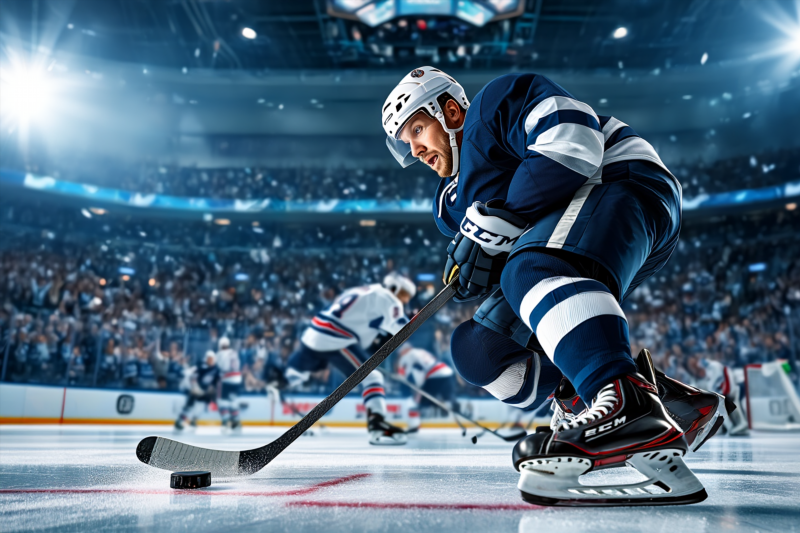
Unlocking the Path from College to Professional Hockey
Transitioning from college hockey to the professional ranks is a pivotal step for aspiring athletes. In 2025, the landscape of hockey is more dynamic than ever, with teams valuing not just raw talent but also specific skills that align with advanced tactical systems, analytics-driven decision-making, and a modern style of play. Understanding which skills transfer quickly can give players a competitive edge, optimize their development pathway, and accelerate their journey to pro.
This article uncovers key college hockey skills that seamlessly transition to the NHL, AHL, and KHL in 2025, supported by insights into the evolving game, analytics trends, and coaching strategies. Whether you’re a player, coach, or recruiter, mastering these skills can help pave the way for a successful professional career.
Why Skill Transfer Matters in Modern Hockey
The transition from college to pro is not just about raw physical ability; it involves adapting to faster pace, higher tactical complexity, and increased mental demands. In 2025, teams emphasize:
- Tactical intelligence and decision-making
- Speed and agility
- Versatility and hockey IQ
- Consistent execution under pressure
These factors are deeply intertwined with the skills that college players develop. The ability to transfer these skills efficiently can dramatically influence draft stock, contract opportunities, and overall career progression.
Key College Hockey Skills That Transition Quickly to the Pros in 2025
1. Hockey IQ and Situational Awareness
Why it matters: Pro coaches seek players who understand game scenarios and can make smart decisions swiftly. College hockey often emphasizes strategic systems, which hone a player’s understanding of positioning, reading plays, and making anticipatory moves.
What to develop:
- Advanced pattern recognition
- Ability to predict opponents’ actions
- Responsiveness to different game situations
2. Skating and Edge Work
Why it matters: Speed and agility are fundamental at the pro level. College players who focus on edge control, acceleration, and recovery positioning transition smoothly into faster-paced professional environments.
What to develop:
- Dynamic skating drills
- Explosive starts and stops
- Tight turns and quick pivots
3. Two-Way Play and Defensive Responsibility
Why it matters: Modern hockey emphasizes possession and defensive awareness. College defensemen and forwards who excel at backchecking, gap control, and puck retrieval adapt well to the pro’s strategic expectations.
What to develop:
- Defensive positioning
- Interceptions and tight sticks
- Transition support
4. Faceoff Skills and Special Teams Expertise
Why it matters: Possessing effective faceoff technique and special teams acumen (power play, penalty kill) adds immediate value at the pro level.
What to develop:
- Winning faceoffs under pressure
- Precision in man-advantage setups
- Penalty-killing discipline and positioning
5. Physical Conditioning and Durability
Why it matters: The physicality of pro hockey demands superior conditioning. College programs that prioritize fitness training prepare players for the demanding schedule and injury prevention needed in the pros.
What to develop:
- Explosive strength and stamina
- Injury resilience strategies
- Recovery and nutrition routines
How to Prepare for a Smooth Transition
| Step | Action Point | Benefit |
| 1 | Focus on tactical understanding | Enhances hockey IQ and decision-making under pressure |
| 2 | Incorporate speed and agility drills | Builds necessary skating attributes for faster game pace |
| 3 | Develop two-way competency | Versatility increases team utility and chances for pro roles |
| 4 | Hone special teams skills | Adds value in power play and penalty kill units |
| 5 | Prioritize physical health | Ensures longevity and consistent performance |
Leveraging Analytics and Deep Dives
Modern hockey analytics reveal that players with high hockey IQ and strategic versatility adapt more rapidly to NHL and KHL systems. Deep dives into game film, tactical breakdowns, and performance analytics help players understand effective positioning, puck movement, and transition routines that are critical in 2025’s strategic environment.
Frequently Asked Questions (FAQs)
What college hockey skills are most valued by professional teams in 2025?
Teams highly value hockey IQ, skating precision, two-way defensive play, and special teams expertise. These skills align with the game’s evolution toward faster, smarter, and more versatile hockey.
How can college players improve their chances of a successful transition?
Focus on understanding the tactical aspects of the game, enhance skating and conditioning, and develop proficiency in special teams roles. Additionally, utilize performance analytics to identify areas for improvement.
Are there particular coaching trends influencing skill development for future pros?
Yes. Modern coaching emphasizes cognitive training, situational decision-making, and integrating advanced analytics to tailor player development programs that maximize transferable skills.
Final Thoughts: Preparing for the 2025 Hockey Landscape
Successfully moving from college hockey to the pro ranks requires a strategic approach centered on acquiring and refining skills that adapt well to the modern game. By focusing on hockey IQ, skating, versatility, and physical resilience, players can position themselves as invaluable assets in 2025’s evolving hockey landscape.
Stay ahead by leveraging deep tactical insights, performance analytics, and comprehensive training programs—because in today’s game, knowledge and adaptability are as critical as raw talent.
Ready to elevate your game? Stay tuned for detailed tactical breakdowns, performance analytics updates, and expert insights on how strategies shape the ice in the upcoming seasons. Your pro journey starts here—inform, prepare, and succeed.