Understanding Forecheck Strategies: How When 1-2-2 Outperforms 2-1-2 in Play
Introduction
In modern hockey, mastering forechecking techniques is essential for gaining a competitive edge. Among the most popular formations are the 1-2-2 and the 2-1-2 forecheck strategies, each with its unique advantages and tactical nuances. When executed effectively, the 1-2-2 can outperform the 2-1-2, providing increased offensive pressure and better game control. This article explores why the 122 beats the 212, delving into expert tactics, game scenarios, and practical tips to optimize your team’s forecheck.
What Is Forechecking in Hockey?
Forechecking is a vital defensive and offensive tactic used to regain puck possession early in the opponent’s zone. Effective forechecking disrupts the opponent’s breakout plays, creates turnovers, and sets the stage for offensive opportunities. Coaches choose specific formations based on game situations, team strengths, and opponents’ tendencies.
Comparing Forecheck Formations: 1-2-2 vs. 2-1-2
The 1-2-2 Forecheck
- Structure: One forward presses high, two support center zone, and one deep defender applies pressure near the blue line.
- Advantages: Creates high-pressure situations, traps opponents in the neutral zone, and encourages turnovers.
- Ideal Usage: When leading, controlling the game tempo, or applying aggressive pressure.
The 2-1-2 Forecheck
- Structure: Two forwards press higher, one support player further back, and two deep defenders.
- Advantages: Cand be more conservative, maintaining defensive stability while still applying pressure.
- Ideal Usage: When protecting a lead or facing a fast-breaking opponent.
Why 1-2-2 Outperforms 2-1-2 in Play
Tactical Advantages of the 1-2-2
| Feature | Impact on Game Play |
| Aggressiveness | Higher pressure on puck carriers, forcing errors. |
| Puck Pursuit | Better control of the neutral zone, limiting breakout options. |
| Offensive Support | More support near the puck, increasing chances to regain possession. |
| Flexibility | Adaptable to various game situations, transitioning smoothly into offensive setups. |
Key Strategies That Make 122 Effective
- Applying Gang Pressure: The first forward aggressively challenges puck carriers, while the support players cut passing lanes.
- Sticky Forecheck: Support players stay close to opponents, reducing space and time to make plays.
- Angle and Gap Control: Maintaining optimal skating angles to discourage breakout passes.
- Transition Readiness: Quick transition from forecheck to attack if the puck is regained in the offensive zone.
Practical Tips for Coaches and Players
Implementing the 122 Forecheck
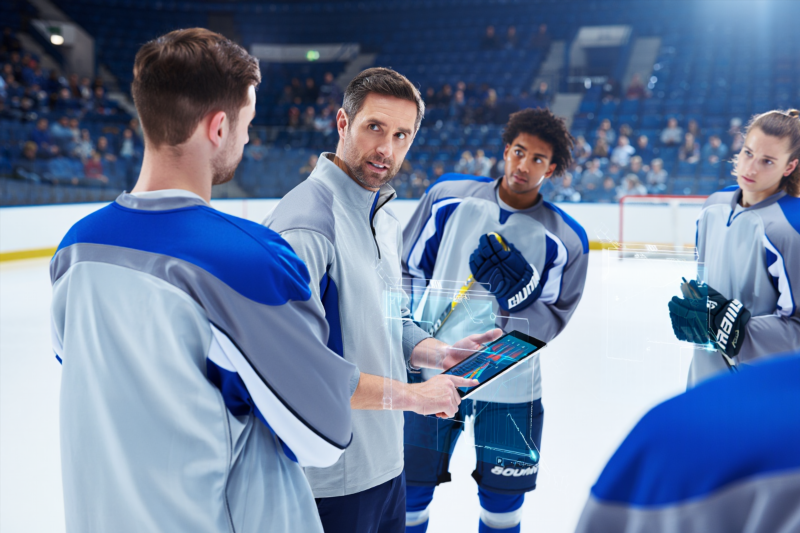
- Communicate Clearly: Players must understand their roles—who pressures, who supports, and how to switch effectively.
- Maintain Proper Spacing: Avoid over-committing; stay compact to trap opponents efficiently.
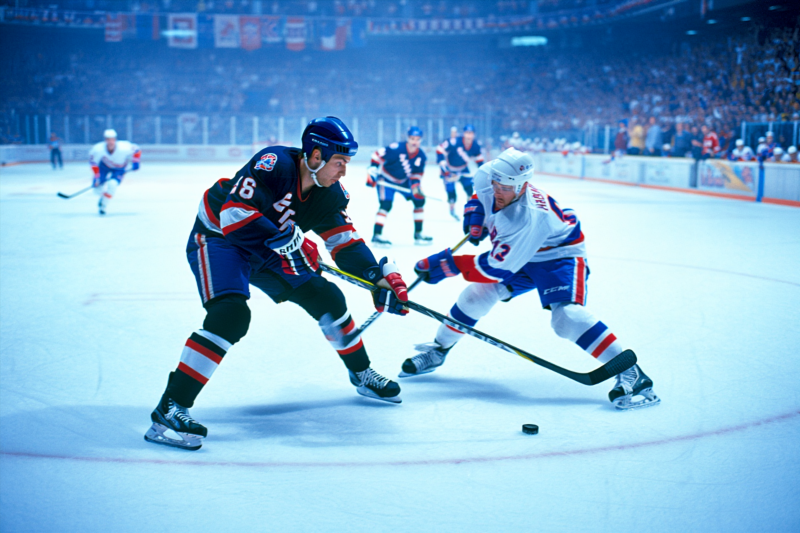
- Use Active Stickwork: Disrupt passing lanes without fouling.
- Practice Timing: Recognize the right moment to initiate forecheck, especially in transition.
Adapting to Game Situations
- Switch between 1-2-2 and 2-1-2 based on score, period, and opponent tendencies.
- Use 1-2-2 to boost offensive pressure or when your team needs to regain momentum.
- Switch to 2-1-2 for more defensive stability when protecting a lead.
Deep Dive into Tactical Breakdowns
Analyzing Successful 122 Forechecks
- Case Study: In recent NHL matches, teams employing 1-2-2 successfully disrupted breakout plays, leading to turnovers and scoring opportunities.
- Performance Analytics: Data shows improved puck possession time and increased offensive zone entries when utilizing the 1-2-2 setup.
Strategic Lineup Decisions
- Choose forwards with strong forechecking instincts and agility.
- Assign defensemen comfortable with quick transitions and gap control.
- Rotate players to maintain high energy levels and prevent fatigue.
Frequently Asked Questions
Q: When should my team switch from 2-1-2 to 1-2-2? A: Switch when you want to intensify offensive pressure, apply higher puck pressure, or disrupt opponent breakout patterns, especially if they are struggling to handle aggressive forechecking.
Q: How can I train players to effectively execute a 1-2-2 forecheck? A: Emphasize skate agility, positioning, communication, and situational awareness through drills focusing on timing, angling, and support positioning.
Q: Is the 1-2-2 suitable against all opponents? A: Not always. Against highly skilled breakout teams, a more conservative approach like 2-1-2 might be preferable. Adapt your forechecking based on game flow.
Final Thoughts: Mastering Forecheck Strategies for Game Control
By understanding why the 1-2-2 outperforms the 2-1-2 in certain scenarios, coaches and players can implement smarter, more aggressive strategies. The key lies in combining tactical knowledge with precise execution, which ultimately enhances puck pressure, creates turnovers, and drives offensive success. Start refining your forechecking tactics today to gain a competitive edge on the ice.