Unlocking the Secrets of Contemporary Hockey’s Scoring Evolution
In today’s fast-paced, highly analytical NHL landscape, offensive success hinges on sophisticated understanding of spatial layers and timing strategies. IceCreek Hockey, a premier modern hockey platform, delves deep into how teams leverage these tactical elements—covering everything from zone exploitation to intricate timing maneuvers—to outsmart defenses and elevate scoring opportunities.
If you’re eager to understand the evolution of NHL offense and discover actionable techniques that can transform your team’s approach, you’ve come to the right place. Let’s explore how innovative offensive strategies focus on exploiting spatial zones and timing to generate high-quality scoring chances.
The Foundations of Modern NHL Offense
Modern NHL offense is much more than simply applying pressure; it’s about structured movements, intelligent spacing, and timing that create scoring opportunities. Teams now utilize advanced analytics and strategic zone management to break down traditional defensive setups and force errors.
Key Elements of Modern Offensive Strategies
- Spatial Awareness: Recognizing and exploiting different ice zones.
- Layered Movement: Creating multiple threats through layered positioning.
- Timing & Puck Movement: Synchronizing passes, cuts, and reactions to beat defenders.
- Puck Support & Cycling: Maintaining possession with quick, purposeful puck circulation.
Zones and Spatial Layers in NHL Offense
Understanding how to manipulate different zones on the ice unlocks numerous scoring avenues. The modern game emphasizes zone exploitation, which involves mobilizing players to occupy key areas at precise moments.
The Ice as a Multi-Layered Battlefield
| Zone Type | Purpose | Offensive Use Cases |
| Neutral Zone | Transition & breakouts | Quick outlet passes to initiate offense |
| Defensive Zone | Breakout setups | Penetrating to create attack from deep |
| Mid-Ice / Transition Zone | First wave of attack | Creating quick scoring chances via layered passes |
| Offensive Zone | Shooting & creating chaos | Maintaining puck possession and creating multiple layers of attack |
Exploiting Spatial Layers
Modern teams systematically stretch defenses across these zones by:
- Horizontal Stretch: Using wide passes to force defenders laterally.
- Vertical Layering: Positioning players in front, behind, and beside defenders to open shooting and passing lanes.
- Overloading Zones: Temporarily positioning more players in specific zones to create numerical advantages.
Timing as a Critical Offensive Weapon
Innovative offensive strategies rely heavily on timing—the perfect synchronization of puck movement, player positioning, and player reactions.
Key Timing Techniques
- Delayed Offense: Pausing puck possession to lure defenders out of position before attacking.
- Quick Passing Sequences: Rapid puck exchanges to disorient opponents and find the open man.
- Layered Timing: Coordinated cuts, passes, and shifts that catch defenses out of sync.
The Role of Game Flow and Player Awareness
Effective offense demands players read and react to defensive tendencies, exploiting timing windows when defenders are overcommitted, out of position, or out of sync.
How Space, Layers, and Timing Combine to Outsmart Defenses
Modern NHL teams masterfully coordinate spatial layers with precise timing to create scoring chances. Here are some tactics that exemplify this integration:
- The Pick and Roll: A forward sets a screen, followed by a quick pass or shot, exploiting defensive systems’ slow reactions.
- Triangle Offense: Three players use layered positioning and timing to open shooting lanes or create passing overloads.
- Cross-Ice Passes and Motion: Rapid lateral passes with timed players’ movements create confusion and open shooting opportunities.
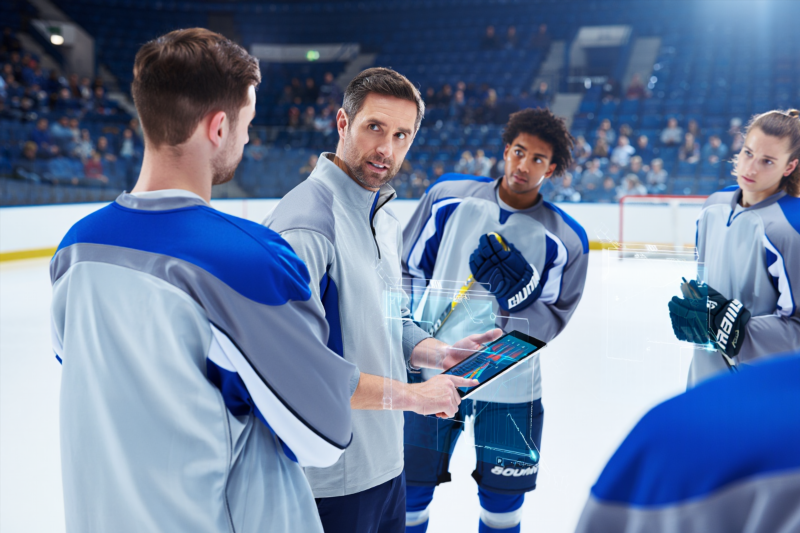
Implementing These Strategies: Practical Tips for Coaches and Players
- Focus on Spacing Drills: Emphasize creating and maintaining spatial layers during practice.
- Develop Puck-Support Timing: Train players to recognize ideal moments for passes and cuts.
- Study NHL Game Film: Analyze top teams’ offensive zone entries and set plays for insights.
- Leverage Analytics: Use advanced performance analytics to identify effective timing windows and zone exploits.
Frequently Asked Questions
How does spatial layering improve offensive chances?
By creating multiple threats—such as a shooting lane, passing option, or puck support—spatial layering stretches defenses. It forces defenders to make quick, often incorrect, decisions, leading to scoring opportunities.
What role does timing play in successful zone entry?
Timing ensures that players enter the offensive zone simultaneously or in a sequence that maximizes their ability to retain puck control and set up scoring plays. Poor timing can lead to turnovers or ineffective pressure.
Can smaller or less skilled teams emulate these strategies?
Absolutely. The essence of these tactics relies more on smart positioning, timing, and understanding of spatial zones than on raw skill. Developing these concepts allows teams at all levels to enhance offensive efficiency.
The evolution of NHL offense revolves around exploiting spatial layers and executing precise timing. By understanding and applying these principles, teams can create space, disorient defenses, and generate higher-quality scoring chances.
IceCreek Hockey continues to analyze cutting-edge tactics that shape the game—empowering players, coaches, and enthusiasts to stay ahead of the curve. Dive into these techniques now and elevate your understanding of how space, layers, and timing define the modern NHL offensive landscape.
Ready to take your hockey strategy to the next level? Explore our detailed tactical breakdowns, analytics, and coaching resources at IceCreek Hockey—your ultimate platform for understanding how the game is evolving.