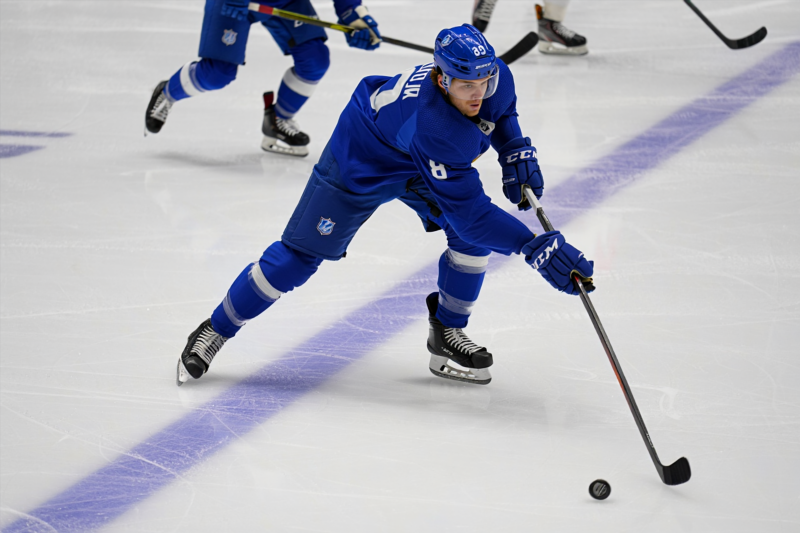
Trade Market 2026: Key Team Strategies for Cap Optimization
Overview: Navigating the 2026 Trade Market
As hockey teams gear up for the 2026 season, understanding the intricacies of the trade market becomes essential for franchise success. With salary cap constraints, shifting team needs, and evolving player values, teams must craft strategic approaches to acquire the right talent. IceCreek Hockey shines a spotlight on how cap limits and specific team requirements shape trade decisions, offering insights into the most fitting players and tactics to unlock roster potential.
How Cap Limits Shape Team Strategies
The Significance of Salary Cap Management
In the NHL and other major hockey leagues, the salary cap acts as a financial boundary that influences roster construction. Effective cap management not only ensures compliance but also provides leverage for strategic trades. Here’s what teams must consider:
- Cap Space Availability: How much room do teams have to maneuver?
- Contract Durations: Are there expiring contracts or long-term deals affecting flexibility?
- Player Value vs. Cap Hit: Balancing contributions against cap implications.
The Impact of Cap Constraints on Trade Targets
Given cap limitations, teams often look for:
| Player Type | Rationale | Cap Considerations |
| Versatile Two-Way Players | Improve depth without overspending | Moderate cap hits, flexible contracts |
| Rookies/Emerging Talents | Low cap impact, high upside | Entry-level deals |
| Cap Dumps | Offload costly contracts to free space | Often involve draft picks or prospects |
Understanding Team Needs and Strategic Fit
Identifying Key Roster Gaps
Every team assesses its roster to pinpoint:
- Positional Weaknesses: Defense, forward, or goalie shortages
- Skill Deficiencies: Penalty kill, power play, high-scoring lines
- Leadership and Experience: Veteran presence vs. youthful energy
Customizing Trade Strategies
Based on team needs, some common strategic focuses include:
- Adding Depth: Filling third-line roles or specialty units
- Acquiring High-Impact Skill: Top-line scorers or shutdown defenders
- Remaking the Roster: Selling assets or trading for future picks
Best Fits in the 2026 Trade Market Under Cap Constraints
Tactics for Finding the Right Players
To optimize roster decisions, teams seek players who fit their strategic blueprint while respecting cap limits:
- Contract Structures: Short-term deals or low-cap hits
- Underperforming or Surplus Assets: Trading from depth to address star needs
- Prospect and Draft Capital: Leveraging future assets for current needs
Practical Approaches for 2026 Trade Optimization
1. Cap Clearance Strategies
- Trading Expiring Contracts: To free cap space
- Salary Retentions: Sharing cap hits with trade partners
- Lateral Moves: Swapping similar contracts to maintain flexibility
2. Fitting Players to Schemes and Styles
- Tactical Compatibility: Players fitting the team’s tactical approach
- Performance Analytics: Using deep dives into analytics to project fit and upside
3. Leverage Advanced Analytics
Utilize performance analytics to:
- Identify undervalued players
- Predict future performance based on team systems
- Assess injury histories and longevity prospects
FAQs: Navigating the 2026 Trade Market
Q: How do cap constraints influence trade deadline strategies? *A:* Cap limits make teams cautious; they prefer short-term, affordable contracts and prioritize acquiring players who can immediately fit the team’s system without long-term cap obligations.
Q: What are the most valuable trade assets in 2026? *A:* Young prospects, draft picks, and players on expiring or team-friendly contracts are highly sought after, especially when teams aim to balance immediate needs with future flexibility.
Q: How can teams maximize success within cap constraints? *A:* By leveraging analytics to find undervalued talent, optimizing contract structures, and strategically trading surplus assets to fill key gaps.
Final Thoughts: Mastering the 2026 Trade Market for Success
In the dynamic landscape of hockey, astute management of the trade market 2026 is pivotal. Focusing on team needs, cap constraints, and strategic fits allows franchises to build balanced, competitive rosters. Whether through savvy cap management or deep analytical insights, the ultimate goal remains clear: assemble a roster designed for sustained success on the ice.
Interested in staying ahead of the curve? Subscribe to IceCreek Hockey for expert analysis, tactical breakdowns, and insights into the evolution of the game. Unlock the secrets to roster optimization and strategic trades today!